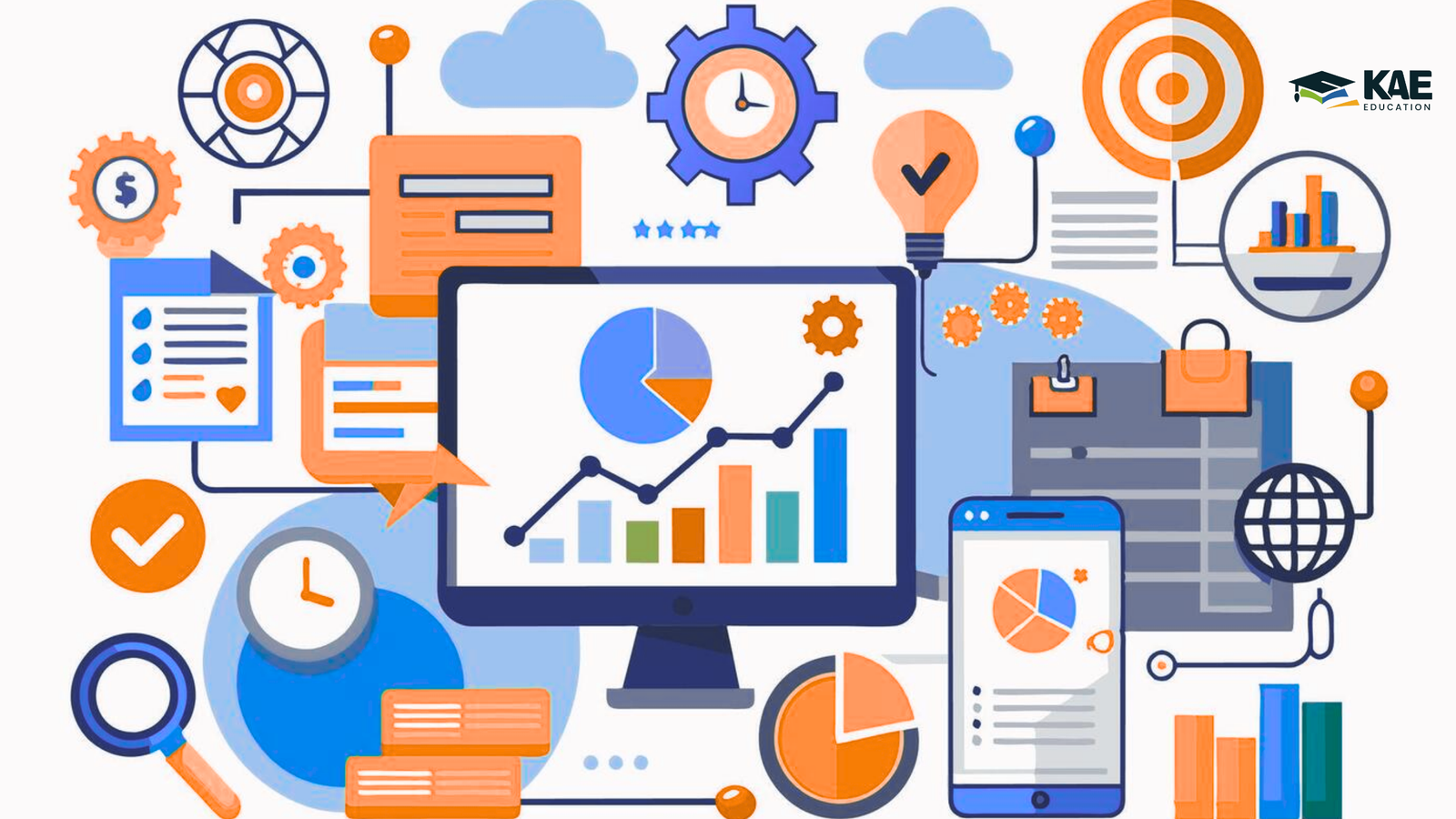
Digital marketing has transformed the way Businesses reach customers, but the real game-changer lies in Data analytics. With massive amounts of data being generated daily, Businesses can no longer rely on assumptions. Instead, Data analytics helps marketers uncover actionable insights, track campaign performance, and optimize strategies for maximum ROI. In the current digital era, this potent instrument serves as the foundation for decision-making.
Understanding Data Analytics in Digital Marketing
In Digital marketing, Data processing is the act of gathering, examining, and interpreting campaign and consumer data in order to enhance marketing initiatives. From website visits to email open rates and social media interactions, every digital footprint provides valuable information. Analyzing this data allows Businesses to understand consumer behavior, predict trends, and allocate budgets wisely.
Benefits of Data Analytics in Digital Marketing
1. Enhanced Customer Understanding
With Data processing, marketers can segment audiences based on demographics, interests, and behaviors. This guarantees tailored advertising efforts that appeal to the appropriate audience at the appropriate moment.
2. Improved Campaign Performance
Tracking clicks, conversions, and engagement rates allows marketers to evaluate what works and what doesn’t. Data processing helps optimize ads, emails, and content to boost ROI.
3. Real-Time Decision Making
Real-time Data analytics is made possible by modern techniques, providing marketers with immediate information. This means campaigns can be adjusted immediately instead of waiting until after completion.

4. Predictive Marketing
By analyzing historical data, Businesses can predict future trends. Marketers can remain ahead of the competition and predict client wants with the help of Data analytics.
5. Cost Efficiency
Instead of wasting resources on ineffective strategies, Businesses use Data analytics to focus only on high-performing channels. This reduces costs and improves marketing efficiency.
Real-World Applications of Data Processing in Digital Marketing
(i) Social Media Marketing: Tracking engagement metrics to refine content strategies.
(ii) Email Campaigns: Analyzing open rates and click-through rates for personalization.
(iii) SEO Optimization: Using analytics to monitor keywords and Website performance.
(iv) Paid Ads: Understanding cost-per-click (CPC) and conversion rates to maximize ROI.
(v) Customer Retention: Leveraging churn data to build loyalty campaigns.
Conclusion
Data analytics is not optional in the cutthroat digital world of today; it is necessary. It gives advertisers the ability to create individualized experiences, optimize campaigns, and make well-informed decisions. Companies that use Data analytics have a big advantage when it comes to interacting with clients, increasing engagement, and increasing sales.