In today’s competitive world, organizations are constantly looking for ways to improve efficiency, reduce errors, and deliver high-quality outcomes. Lean Six Sigma has become one of the most effective methodologies to achieve these goals. But for beginners, the biggest question is: How can you start learning Lean Six Sigma fast? Let’s dive into a clear, practical guide.
What Is Lean Six Sigma?
Lean Six Sigma is a powerful methodology that combines two proven approaches—Lean, which eliminates waste, and Six Sigma, which reduces variation. Together, they provide Businesses with a framework for Continuous Improvement, Efficiency, and Customer satisfaction.
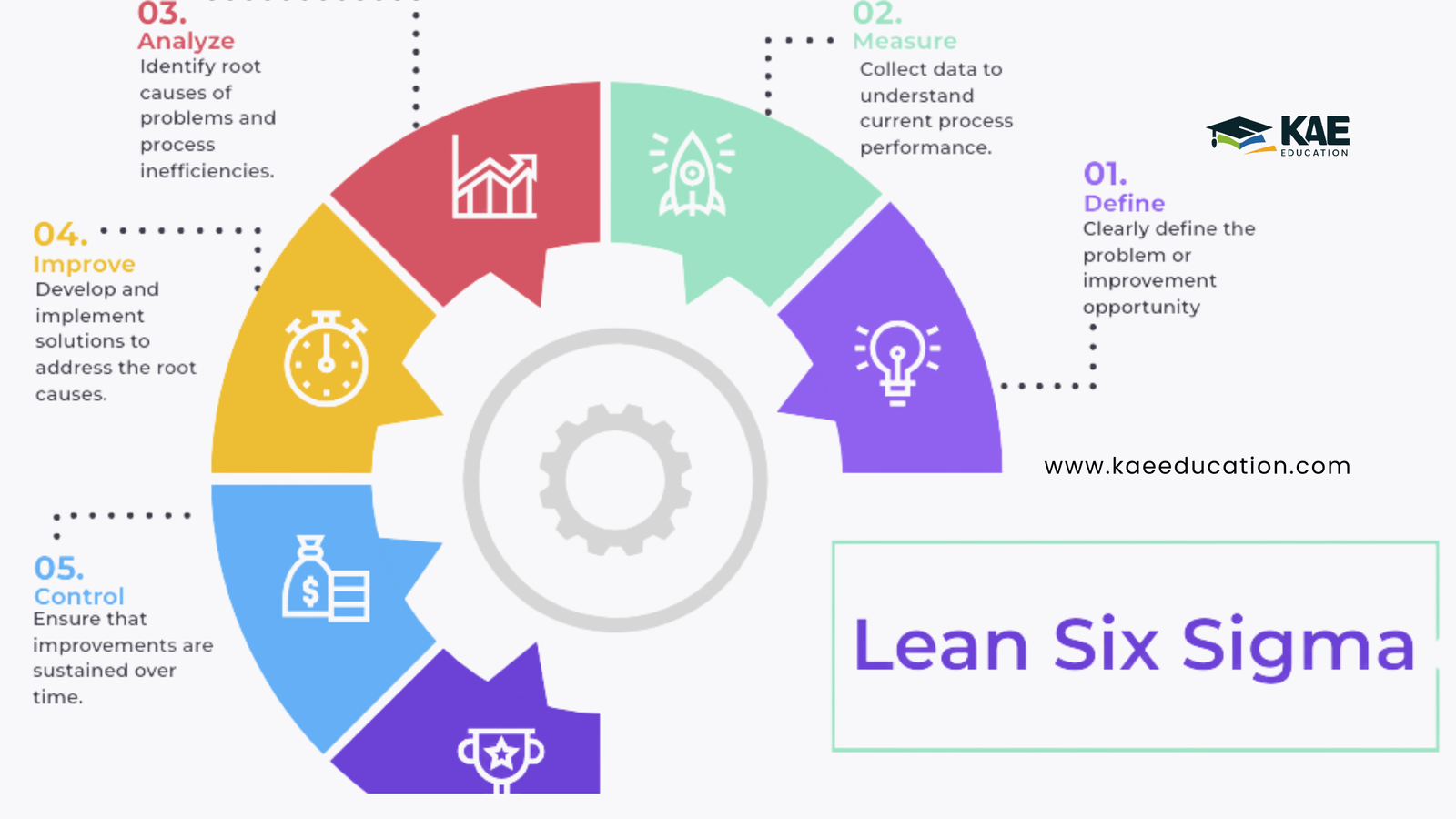
For beginners, learning Lean Six Sigma means understanding the DMAIC framework (Define, Measure, Analyze, Improve, Control), the backbone of problem-solving in this methodology.
Why Should Beginners Learn Lean Six Sigma?
Learning Lean Six Sigma is not just about acquiring a certification—it’s about gaining problem-solving and analytical skills that are valuable in any Industry. Companies across IT, Healthcare, Manufacturing, Finance, and Supply chain actively seek professionals who can optimize processes and increase productivity.
Some benefits include:
(i) Better career growth opportunities.
(ii) High demand across Industries.
(iii) Improved leadership and decision-making skills.
(iv) Ability to drive measurable results.
Steps to Learn Lean Six Sigma Fast
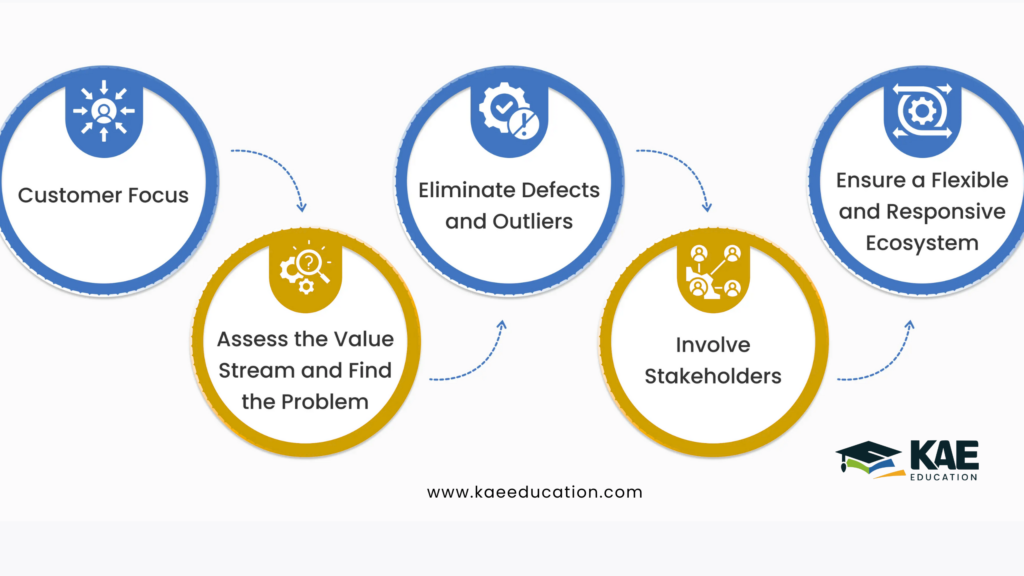
1. Start with the Basics
Learn the fundamentals of Lean and Six Sigma separately—understand how Lean removes waste and Six Sigma reduces variation. Free resources, blogs, and beginner guides are a good start.
2. Choose the Right Level
Lean Six Sigma White Belt or Yellow Belt certifications are a good place for beginners to start. These are entry-level courses that cover basic concepts without overwhelming complexity.
3. Apply What You Learn
Don’t just read—practice. Try solving small case studies or workplace problems using the DMAIC method. Even simple improvements, like reducing email delays or streamlining reporting, can build confidence.
4. Join Online Communities
Connect with Quality management system forums, LinkedIn groups, and local professional networks. Engaging with peers accelerates learning.
5. Learn from Certified Trainers
To gain real-world insights, enroll in structured courses provided by reputed training institutes. Expert guidance shortens the learning curve and prepares you for certification exams.
Common Mistakes Beginners Should Avoid
(i) Trying to memorize tools instead of understanding concepts.
(ii) Skipping practice and focusing only on theory.
(iii) Selecting the incorrect level of certification (going straight to Green Belt).
(iv) Not aligning Quality management system knowledge with career goals.
Future Scope of Lean Six Sigma
The demand for Lean Six Sigma professionals will continue to grow in Industries embracing Automation, Data analytics, and AI-driven improvements. By learning it today, beginners position themselves at the forefront of Business excellence.
✅ Any novice can swiftly and successfully begin their Lean Six Sigma journey by following these steps. You can seize opportunities for job advancement more quickly than ever before with the correct mentorship, practical experience, and organized training.